With school out of session and extra hours of daylight, the summer months provide plenty of time for adventure, connection and fun. These experiences turn into lifelong memories, especially for children—and that’s exactly why designing an intentional summer plan for kids is so important.
The core memories your kids create during summer break can foster skill-building, exploration and social and emotional growth. By encouraging learning beyond the school year’s standard curriculum, you not only prevent the dreaded “summer slide,” but you also nurture a mindset of curiosity, creativity and innovation.
How do you plan an intentional summer that will excite and inspire your child? Craft an itinerary filled with unique and immersive learning opportunities, like those offered at Camp Galileo.
To get started, ask yourself these 6 guiding questions. Your answers will help you uncover the perfect intersection of enrichment, growth and fun this summer
#1 What Activities Does My Child Enjoy Most?
With normal school structure temporarily set aside, the summer months offer an incredible opportunity for children to deepen their interests and pursue their curiosity.
Reflect on the subjects and activities that excite your child the most—the projects that draw them like a magnet and engage them for hours.
To identify these activities, ask yourself:
- What pursuits does my child naturally gravitate toward?
- What topics can my child not stop talking about?
- Do they grow more engaged when playing solo or in a structured group setting?
As your child’s specific interests come into focus, consider where they fall among the wider categories of play:
- Indoor vs. Outdoor – Indoor tasks help children foster focus and creative flow. Outdoor exploits invite movement, wonder and social bonding. And they actually enhance each other: Outdoor play burns off excess energy, enabling indoor concentration.
- Active vs. Creative – Active play gets kids into their bodies, releases endorphins and encourages teamwork. Creative play stirs the imagination and invites kids to give life to their inner world. It also nudges them to explore out-of-the-box solutions.
- Structured vs. Free – Organized activities help kids sharpen various skills and take direction. Meanwhile, free play offers the chance to explore individual interests and develop self-direction. It also allows children to decompress mentally.
Children learn and grow best when they experience a healthy mix of all play types, so think of ways to integrate their interests across these different categories.
As you craft a summer schedule, you’ll also want to strike a balance between familiar and novel experiences:
- Comfort-zone activities – These are activities your child already loves and excels at. Such activities replenish reserves of confidence and joy, lending kids the fuel they need to set sail into uncharted waters.
- Fresh adventures – These gentle challenges call for untapped skill sets while nurturing curiosity. They encourage new passions to emerge and latent talents to take center stage.
Growth occurs when we push ourselves out of our comfort zones, but remember, balance is key. With one foot planted in the comfort zone and the other striding into the unknown, you can keep engagement high, prevent overwhelm and pave the way for a summer of fun and discovery!
#2 What Hobbies and Interests Does My Child Want to Explore?
One of summer’s best traits is the extra time and space for unhurried exploration.
Such laid back stretches offer the perfect opportunity to experiment with new interests in a low-stakes environment. If your child has been itching to try a new activity, but school year demands have kept it at bay, add it to your summer bucket list!
Keep in mind that trying something new should be fun and engaging, not riddled with concerns about mastering the skill or turning it into a long-term commitment. Exploration provides its own rewards: confidence, curiosity and discovery, to name just a few.
Of course, fresh pursuits take countless forms. A few varieties to consider include:
- STEM & Tech – Disciplines like coding, robotics and chemistry offer vast vistas to investigate. They also call for a powerful fusion of creativity, analysis and teamwork—one of the best combos for building a child’s confidence.
- Creative & Performing Arts – As Da Vinci would attest, the performing arts provide a fertile canvas for self-expression and blending disciplines. Theater, music, dance, photography—they draw the soul into the world.
- Outdoor & Nature-Based – Science blossomed when humans turned their curiosity toward nature. Bird-watching, camping or traipsing through the woods can all spark a sense of wonder about how this wild planet works and our place in it.
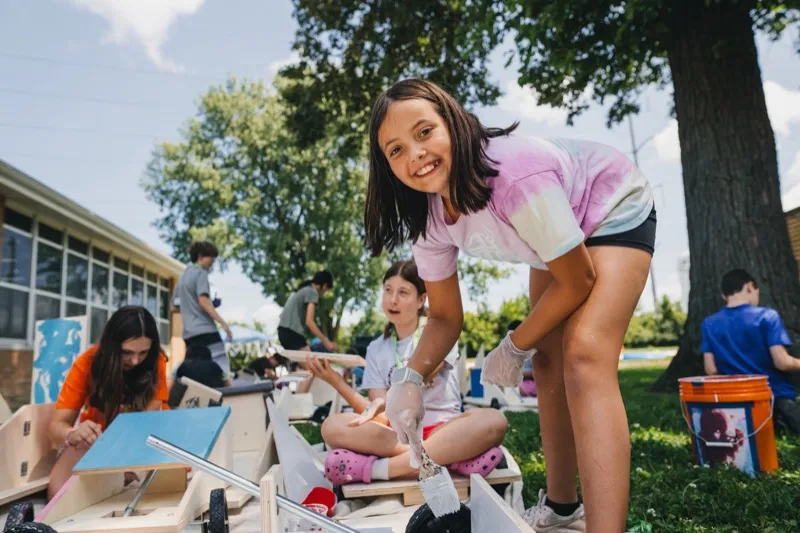
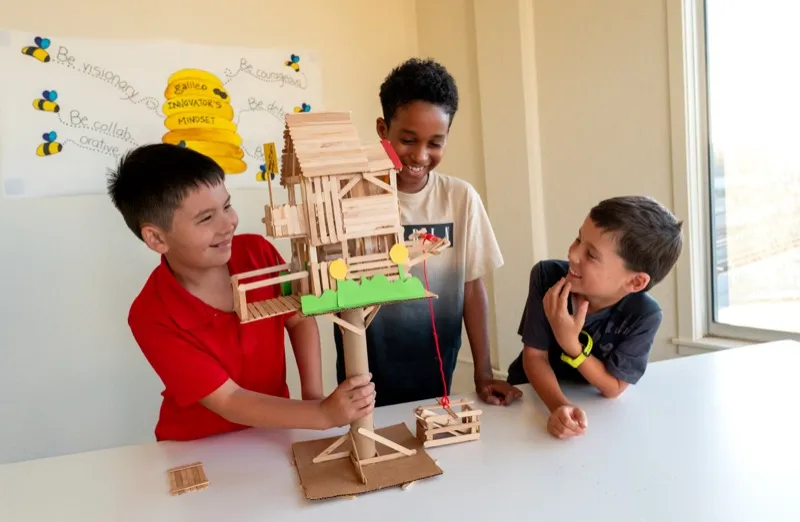
- Building & Hands-On Projects – Nothing satisfies the human spirit like bringing something into existence where nothing stood before. LEGO, wood carving and model-building all satisfy that urge to design and construct.
- Cultural & Educational – Seeing the world through a fresh set of eyes—it’s what education is all about. Delving into historical tales, dabbling in a foreign language or exploring mythology can help your child develop a wider understanding of what it means to be human.
Novel experiences also possess a special quality: They can ignite a lifelong passion. A quick, 30-minute chemistry demonstration might be all it takes to inspire DIY, at-home experiments. A minor part in a one act play? That could spark an enduring love for drama.
Oftentimes, kids don’t know their passions until they encounter them. Wide-ranging experiences, across disciplines and settings, are like seeds scattered across a fertile field—some are bound to take root and blossom.
How to Identify Hidden Interests
It might take a little sleuthing, but paying close attention to your child’s actions and reactions can help shed some light on potential new interests that can be turned into a fun summer activity:
- Observe what excites them – Listen as they speak. Watch where their attention flows. Tune in when something perks them up. When they seem most vibrant and alive, what are they doing?
- Listen for curiosity cues – When your kid asks questions, what do they ask about? Do the same topics surface repeatedly? Also, notice the sort of knowledge they’re eager to share.
- Expose them to new experiences – Fresh environments activate latent curiosity, so make it a habit to tour museums, hike nature trails and attend interesting workshops. For kids who haven’t yet found “their thing,” wider experience works wonders.
- Embrace low-pressure experimentation – Some scenarios, like contests or performances, introduce too much expectation up front. Allow for low stakes dabbling, free of long-term commitments.
Kids come loaded with enthusiasm—it’s how they find their way in the world. By keeping their environments exciting, and watching for enthusiasm, you’ll soon unearth the sort of activities that bring them joy.
#3 What Topics Does My Child Show Curiosity About?
Hobbies and interests revolve around activities: projects and pursuits your child yearns to try.
Curiosity, on the other hand, casts a wider net. It encompasses the topics and subjects that stir their spirit, regardless of whether it leads to a specific activity.
Think of curiosity like a magnetic force. When it encounters a charged subject, it yearns to draw closer. Similarly, when a topic piques your child’s curiosity, they become driven to pose questions and pursue answers. It’s the engine of learning.
This inborn desire makes education effortless. It fosters engagement, enhances absorption and helps develop critical thinking skills.
Ultimately, curiosity-based learning unfolds when kids explore topics based on their innate interests, not pressure to perform.
Why Does This Approach Work?
When a child delves into a topic because of a natural curiosity, they’re operating according to intrinsic motivation. This means they’re pursuing knowledge for its own sake, not to receive praise or a trophy (external motivation).
While outside rewards can supply motivation, this approach falls short of the power offered by intrinsic motivation, driven by curiosity.
As your child engages with the world, take note of:
- The topics they ask about
- The books that pique their interest
- The movies, documentaries and YouTube channels they enjoy
Each of these holds clues to the source of your child’s curiosity. As this curiosity becomes more clear, think of how you can satisfy their thirst for knowledge in deeper, more enriching ways.
Curiosity-driven exploration can take many forms. Here are just a few examples, tailored to different “curiosity profiles”:
- Space Enthusiast – Tour the local planetarium, assemble a model rocket or join a local astronomy club. You can also watch inspiring space movies like Apollo 13.
- Animal Lover – Volunteer at a local animal shelter, build a back porch bird feeder or explore nearby nature trails. Allow them to spend time observing their surroundings.
- Budding Engineer – Dive into the world of robotics, undertake LEGO engineering challenges or experiment with coding games.
- Aspiring Artist – Shake up the mediums: try painting with watercolors, 3D printing or sculpting pottery. Set aside an afternoon to explore local museums or watch YouTube how-tos.
Curiosity, while innate, requires nurturing. As a parent, you play a huge role in curating experiences and asking questions that fan the flames of wonder.
#4 What Skills Does My Child Want/Need to Develop?
Kids are rarely upfront about the skills they’d like to learn or sharpen. But to effectively pursue their curiosity and grow, they need to cultivate technique.
As a parent, you’re in a prime position to identify the areas where your child is ready to gain confidence or mastery.
To pinpoint these areas, ask yourself questions like:
- Where does my child struggle?
- When have their natural strengths shone brightest? How can I refine those into skills?
- What abilities (social, emotional, artistic) do I want my child to develop this summer?
- What skills will best buoy their growth in the coming school year?
As the answers emerge, think about how summer break, with its relaxed tone and looser expectations, can provide the perfect landscape for skill building.
Depending on the desired skill, brainstorm the sorts of activities that could encourage its development:
- Social – Would better teamwork or communication skills serve your child? Consider group activities like team sports or a robotics club.
- Creative – Does your child show artistic traits? Try painting classes, a storytelling club or music production. Anything hands-on and loosely structured is ideal for inspiring and encouraging creativity.
- STEM – Cultivate their technical side by exploring brain teasers, coding challenges and DIY home repairs.
- Physical – Some kids need a little help getting into their bodies. Try dance classes, outdoor escapades or obstacle course challenges as forms of physical activity.
It’s important to remember that older and younger kids thrive under different learning conditions. To set your child up for success, search for activities that match their developmental stage:
- Younger kids often do best with play-based learning. Think: activities like block building, simple science experiments and lively group games.
- Older kids often relish more organized challenges. Consider coding sprints, art contests and team-based projects like mock trials or one-act plays.
Skills blossom when curiosity meets challenge. For a truly enriching summer, create opportunities for your child to interact with their surroundings in new, exciting ways.
#5 What Support Does My Child Need to Thrive?
No two intentional summers will look alike. That’s because each child has unique needs when it comes to structure, competition and downtime.
As you plan their summer, tailor their schedule and activities to suit these needs. It helps to assess them beforehand, especially for younger kids taking their first forays into summertime enrichment.
Ask yourself questions like:
- When does my child seem most confident and at ease?
- Do they crave predictability or readily adapt to change?
- What sort of environments dial in their creativity and focus?
When it comes to complementing your child’s learning and social style, environment plays an important role. To ensure a perfect fit, consider a few key factors:
- Structured vs Free Play – Does your child thrive with scheduled, structured activities and routines, or do they flourish with free-wheeling exploration? Try to recall settings in which you’ve seen them radiate self-assurance and joy.
- Social Comfort Levels – Think about how readily your child switches activities or adapts to fresh surroundings. Additionally, do they thrive on group energy, or do they prefer one-on-one interaction?
- Group Size & Personalized Support – Even if kids enjoy collaborative activities, group size and type can make a huge difference in the level of support they need. Would your child do best in a smaller group setting that allows for more individualized attention? Do they often need some help leaving their comfort zone?
Often, it’s less about the specific activity and more about the social ambience. In a supportive setting, every kid can engage more deeply—and have a blast along the way!
#6 What Relationships Does My Child Want to Nurture?
Think back on your own childhood summers. Chances are, the friends you made and spent time with come to mind right away. You may even still have some of those friendships!
While it’s important to schedule summer activities that keep kids engaged and entertained, a balanced summer also includes plenty of low-pressure socializing. In fact, summer offers the perfect opportunity to deepen existing friendships and embrace new ones.
Another important relationship to nurture is your child’s relationship with themselves. This means plenty of solo time. Even extraverted kids can benefit from time to explore solo projects or get lost in a riveting book. Think of it as a chance for kids to get to know themselves.
To support relationship growth along these distinct lines:
- Help maintain existing friendships – Without school’s steady rhythm, friends can drift apart over the summer. Make sure to schedule playdates and explore community get-togethers. Work around travel by embracing virtual meetups.
- Support opportunities for new connections – New friendships give summertime extra magic. Create space for fresh faces by signing your child up for a class, joining local meetups or enrolling them at a summer camp, like Camp Galileo.
- Cultivate meaningful family time – Many families use summer to reconnect through vacations and reunions. These types of social gatherings offer a powerful way to form core memories and keep the thread unbroken across generations.
- Balance social engagement and alone time – Some kids thrive with constant connection, while others need to recharge their batteries with solo time. Watch for signs of overstimulation or loneliness and recalibrate accordingly.
Children learn plenty from books and classes. But they also learn from others—peers and family alike. Leave space in the calendar for social connection of all kinds to ensure a well-rounded summer.
Next Steps for an Intentional and Unforgettable Summer
Fun and fulfilling summers blossom from intentional planning that factors in discovery, learning and growth.
Get clear on what that kind of summer looks like for your child by:
- Having a conversation about their vision and goals for summer – Use the six questions above as a jumping-off point for crafting their ideal summer bucket list.
- Exploring activities that align with their learning style and social spirit – Ask for their input on what they’d like to learn or experience.
- Considering Camp Galileo for the perfect blend of curiosity-driven education and hands-on fun – Every week comes chock full of adventure, friendship and cool activities.
Camp Galileo’s versatile curriculum supports a wide range of learning and social styles. It’s truly a camp for every kid, offering:
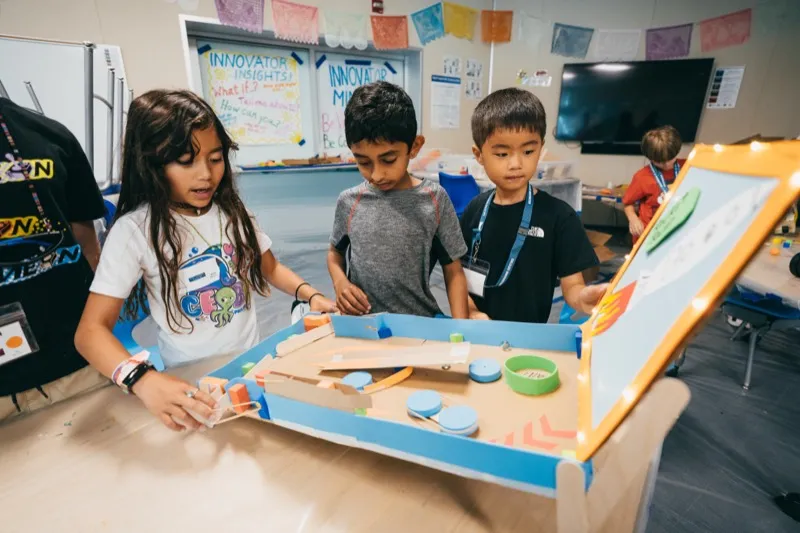
- Six weeks of unique, themed projects – Wacky science experiments, woodworking projects, theater performances—we cover every interest to keep kids riveted all summer long.
- Consistent structure – Each day at Camp Galileo follows a familiar rhythm so that campers can rely on a sense of routine and security.
- Daily rotations – We switch up activities three times a day, so kids get a chance to work independently, collaborate and jump into outdoor group adventures.
- Classic camp hijinks – From skits and talent shows to daily cheers and water days, Camp Galileo encourages classic camp fun—the stuff that lasting camp memories are made of.
For an intentional summer full of uniquely enriching and entertaining experiences, look no further than Camp Galileo. Check us out today to learn about our one-of-a-kind approach to innovation, friendship and fun.
Ready to get started? Enroll now!
Quick Reference: Intentional Summer Planning for Kids (6 Question Checklist for Parents)
Question 1: What activities does my child enjoy most?
Why it matters: Centering your child’s interests is the starting point for a meaningful summer. When they’re genuinely excited, they’re more likely to engage, grow, and build confidence along the way.
Question 2: What hobbies or interests does my child want to explore?
Why it matters: Summer offers a low-stakes environment for experimenting with new hobbies, guided by curiosity.
Question 3: What topics does my child show curiosity about?
Why it matters: Curiosity-driven learning leads to deeper engagement and better knowledge retention—not to mention a far more joyful learning process.
Question 4: What skills does my child want/need to develop?
Why it matters: Summer provides the perfect opportunity to work on skills without school-year pressure.
Question 5: What support does my child need to thrive?
Why it matters: Every kid has unique needs when it comes to activity structure and group size. Learning and growth unfold best in a tailored environment.
Question 6: What relationships does my child want to nurture?
Why it matters: Summer’s breezy atmosphere invites connection. Intentional gatherings and playdates help children deepen existing friendships and embrace new ones.
Sources:
National Library of Medicine. Humans monitor learning progress in curiosity-driven exploration. https://pmc.ncbi.nlm.nih.gov/articles/PMC8514490/
Verywell Mind. Intrinsic Motivation vs. Extrinsic Motivation: What’s the Difference? https://www.verywellmind.com/differences-between-extrinsic-and-intrinsic-motivation-2795384