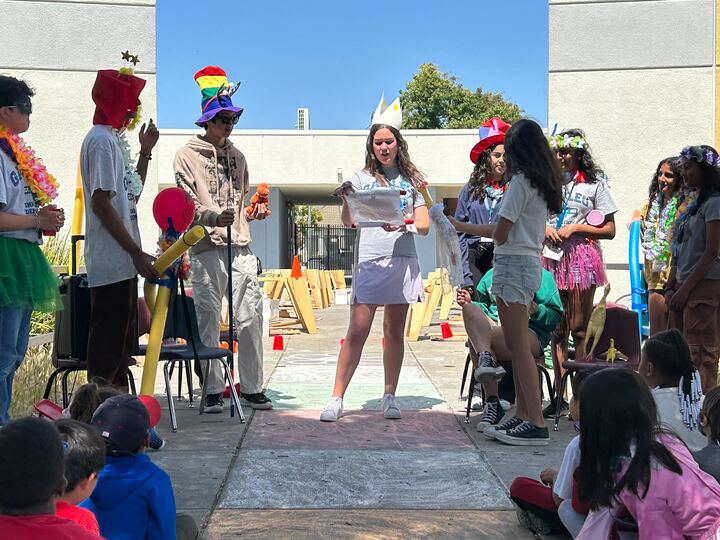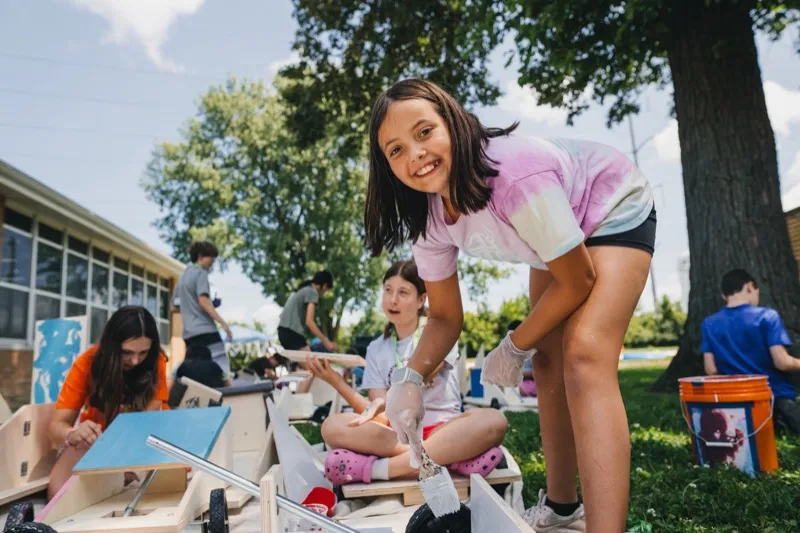
Kids don’t just have fun at Camp Galileo—they build confidence, creativity and real-world problem-solving skills along the way.
At Camp Galileo, every activity is designed to help kids turn their ideas into something real—whether that’s building, testing, collaborating or trying again in a new way. Along the way, they’re not just making projects—they’re building skills and mindsets that stick with them long after summer ends.
The Galileo Innovation Approach
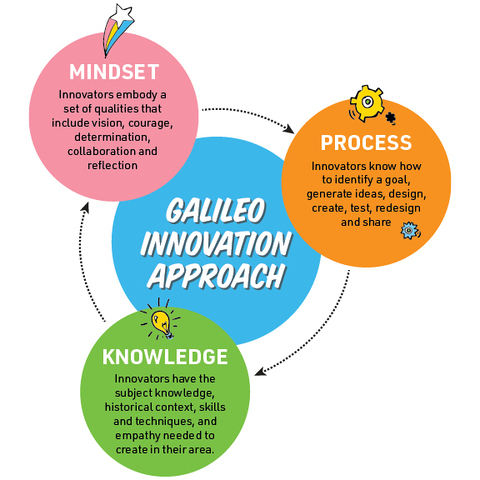
Everything we do at camp is grounded in the Galileo Innovation Approach (GIA)—a hands-on way of learning that helps kids turn ideas into reality.
It’s made up of three key parts:
🧩 The Innovator’s Process
Innovators take an active role in shaping their world. We empower kids to transform their ideas into reality using a proven, multi-step process. They practice this process at camp in an array of situations, learning from failure and improving every attempt by testing, redesigning and testing again.
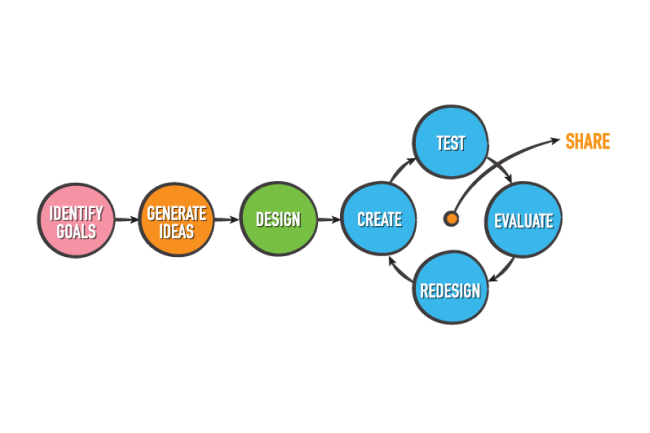
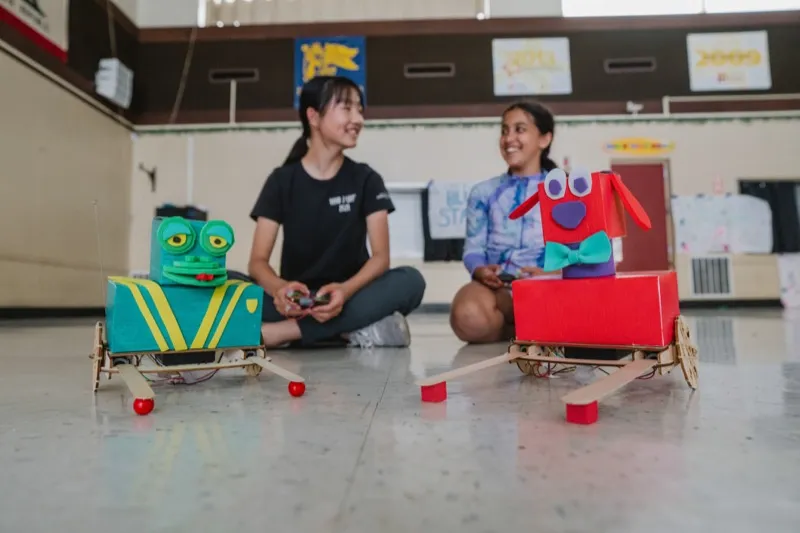
At Camp Galileo, kids don’t just follow instructions—they create, experiment and refine their ideas step by step.
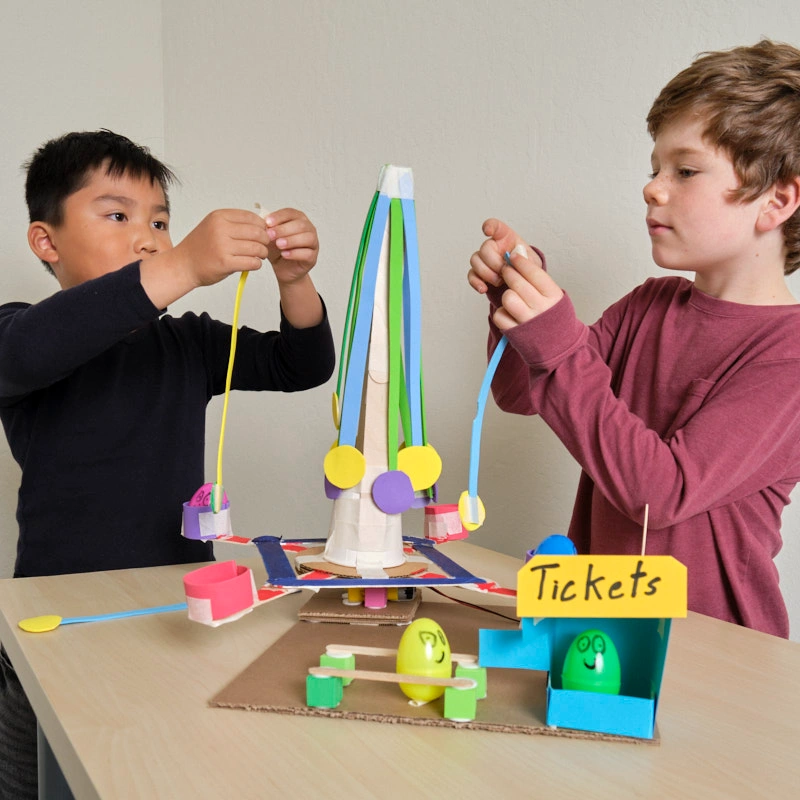
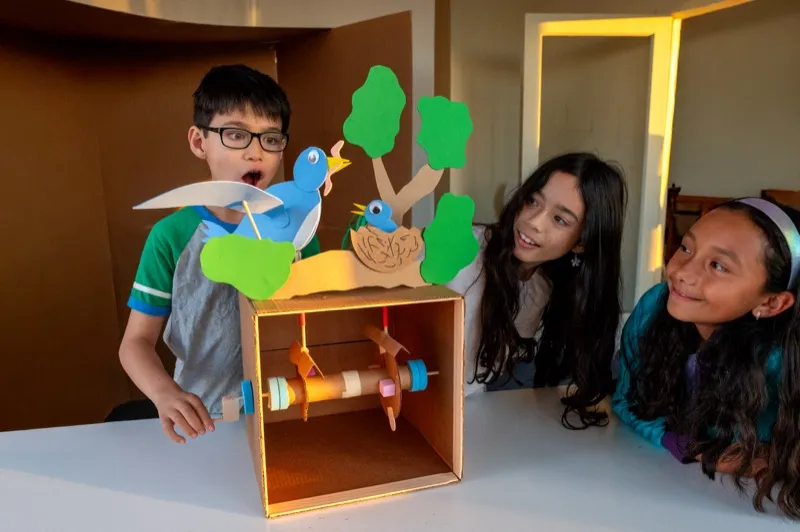
A camper might dream up something like a wearable invention, build a first version, test how it works and then redesign it to make it even better. Along the way, they learn that improvement is part of the process—and that mistakes can lead to even better ideas.

🛠️ The Innovator’s Knowledge
True innovation doesn’t happen in a vacuum. There are four types of knowledge we help kids develop so they can approach new challenges wisely.
- Concepts and Facts: The big ideas, principles and facts relevant to their work
- Historical Context: The contributions of relevant movements, artists, scientists, designers and other experts who came before them
- Skills and Techniques: How to use the material, tools and technology that allow them to effectively create, test and share their ideas
- Audience and Environment: The needs and circumstances of their users and the physical context in which their work will be received
💡 The Innovator’s Mindsets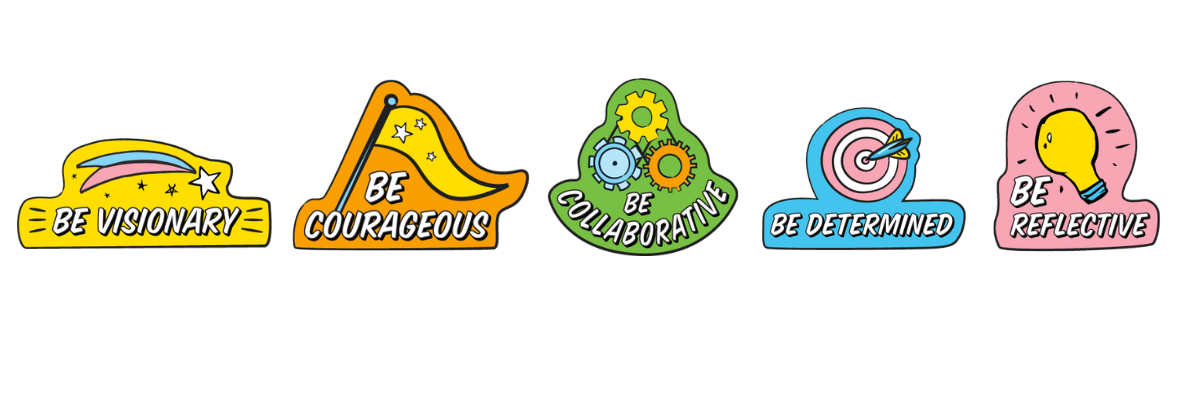
In parallel with projects and activities, campers practice thinking and acting like innovators. These are the same habits that help kids thrive in school, friendships and future challenges.
Here’s what that looks like at camp:
Being Visionary: Imagining what’s possible →Campers dream up big ideas and bring them to life in their DIY projects.
Being Courageous: Trying new things—even when they might not work the first time→Kids take risks, test ideas and learn that mistakes are part of learning (We call them Marvelous Mistakes at Camp Galileo).
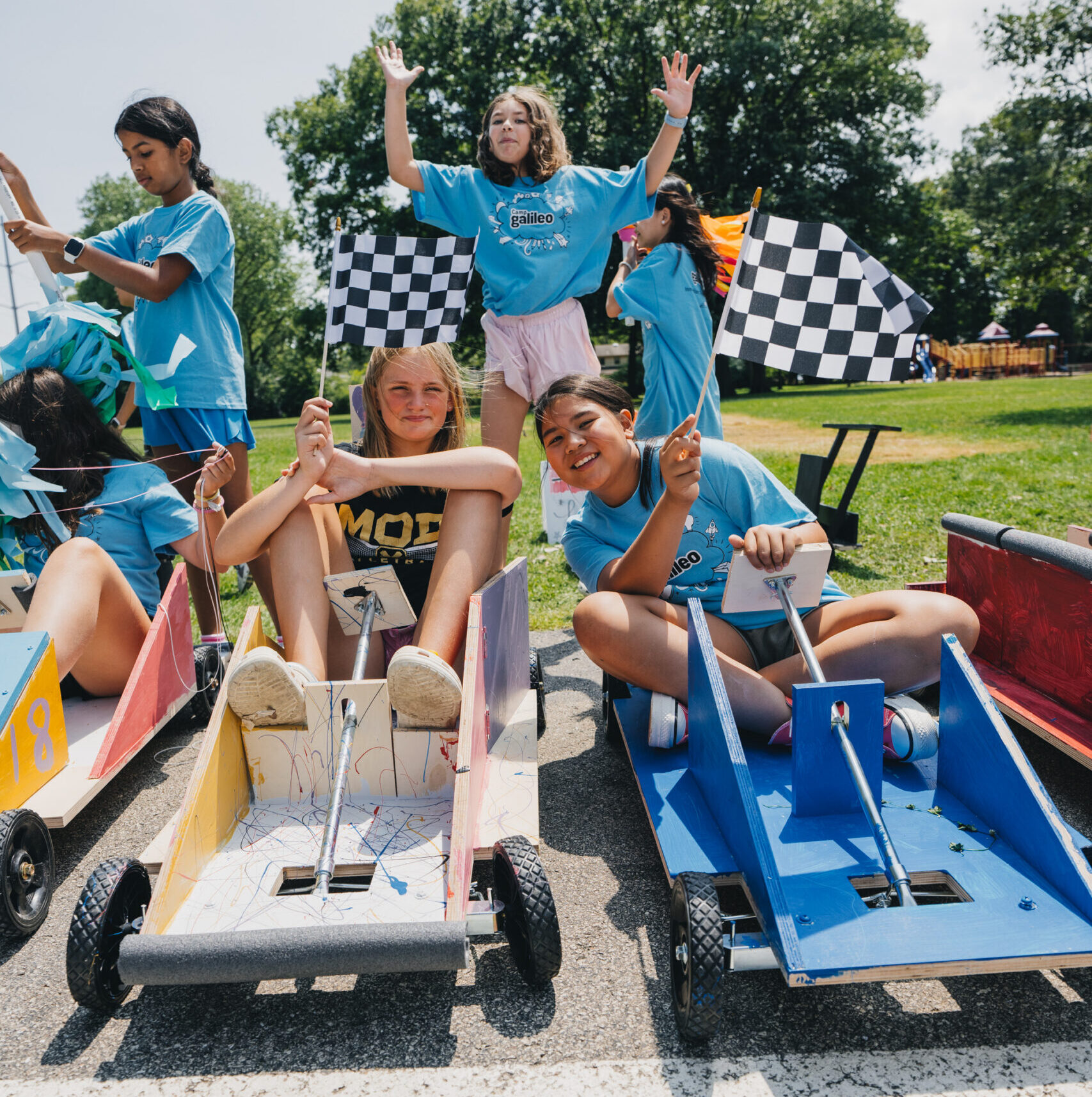
Being Collaborative: Working with others→Campers share ideas, problem-solve together and build friendships in challenges designed specifically for small groups to work on together.
Being Determined: Sticking with challenges→Kids practice perseverance and experience the reward of not giving up. The Innovator’s Process includes an entire step just for redesigning things that didn’t work the first time.
Being Reflective: Learning from every experience→Campers are encouraged to think about what worked, what didn’t and how to improve next time.
Bring the Galileo Mindset Home
Want to keep the momentum going outside of camp? You can start practicing the innovator’s mindset at home with simple moments throughout your day:
- Be Visionary: Ask, “How could this be different?”
- Be Courageous: Celebrate effort and trying something new
- Be Collaborative: Create or build something together
- Be Determined: Set a small goal and work toward it
- Be Reflective: Ask, “What worked well? What would we try next time?”
These small conversations can make a big impact.
Learning by Doing
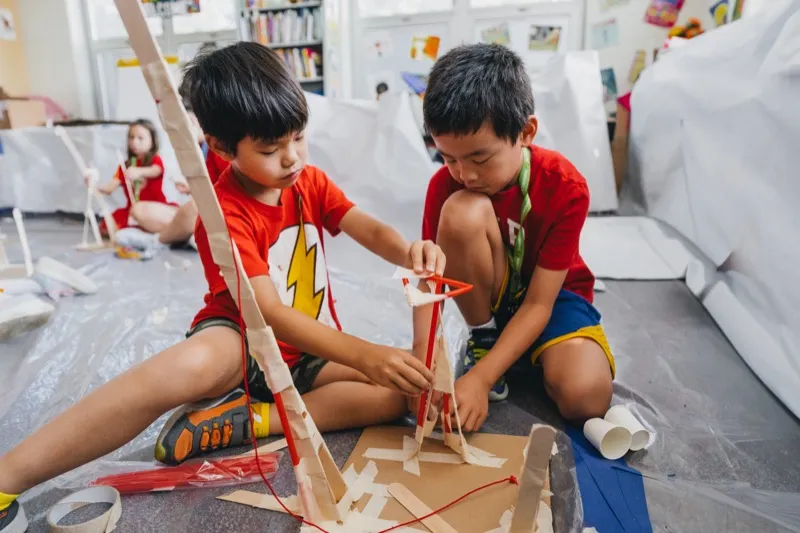
Campers build real skills through hands-on projects that blend creativity and STEAM.
Depending on the activity, they might:
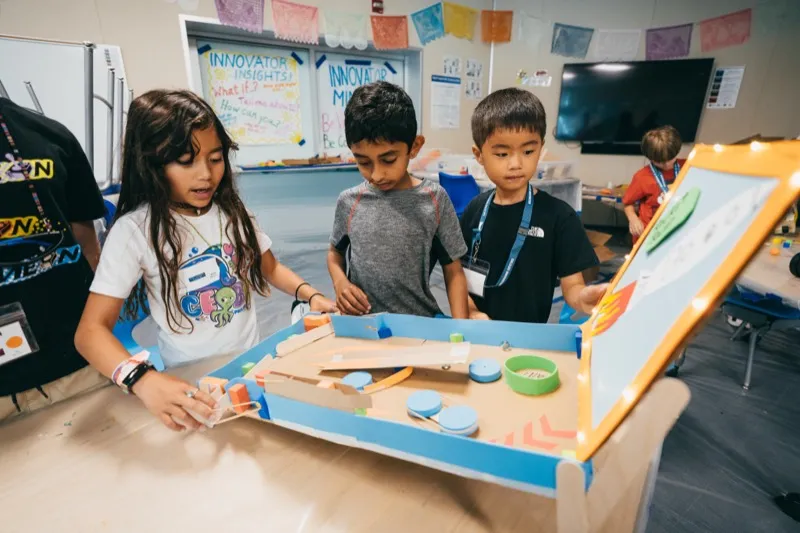
- Design and build their own creations
- Explore engineering concepts in action
- Solve creative challenges with teammates
- Bring artistic ideas to life through hands-on work
It’s active, engaging and designed to meet kids where they are—while helping them grow.
Versión en español
Los niños no solo se divierten en Camp Galileo—también desarrollan confianza, creatividad y habilidades reales para resolver problemas.
En Camp Galileo, cada actividad está diseñada para ayudar a los niños a convertir sus ideas en algo real—ya sea construir, probar, colaborar o intentar de nuevo de una manera diferente. A lo largo del camino, no solo crean proyectos—también desarrollan habilidades y mentalidades que los acompañarán mucho más allá del verano.
El Galileo Innovation Approach
Todo lo que hacemos en el campamento está basado en el Galileo Innovation Approach (GIA)—una forma práctica de aprendizaje que ayuda a los niños a convertir ideas en realidad.
Se compone de tres partes clave:
🧩 El Proceso del Innovador
En Camp Galileo, los niños no solo siguen instrucciones—crean, experimentan y mejoran sus ideas paso a paso.
Por ejemplo, un campista puede imaginar un invento, construir una primera versión, probar cómo funciona y luego rediseñarlo para mejorarlo.
En el camino, aprenden que mejorar es parte del proceso—y que los errores pueden llevar a mejores resultados.
🛠️ El Conocimiento del Innovador
La verdadera innovación no ocurre en el vacío. Hay cuatro tipos de conocimiento que ayudamos a los niños a desarrollar para que puedan enfrentar nuevos desafíos de manera informada y creativa.
Conceptos y hechos:
Las ideas, principios y conocimientos clave relacionados con lo que están creando
Contexto histórico:
Las contribuciones de movimientos, artistas, científicos, diseñadores y otros expertos que vinieron antes
Habilidades y técnicas:
Cómo utilizar materiales, herramientas y tecnología para crear, probar y compartir sus ideas de manera efectiva
Audiencia y entorno:
Las necesidades de las personas para quienes están creando y el contexto en el que su trabajo será utilizado
💡 La Mentalidad del Innovador
En paralelo con los proyectos y actividades, los campistas practican cómo pensar y actuar como innovadores. Estos son los mismos hábitos que ayudan a los niños a desenvolverse con éxito en la escuela, en sus amistades y frente a futuros desafíos.
Así es como se ve en el campamento:
Ser visionario: Imaginar lo que es posible
→ Los campistas crean grandes ideas y las hacen realidad en sus proyectos hechos por ellos mismos
Ser valiente: Intentar cosas nuevas—even cuando no funcionen a la primera
→ Los niños toman riesgos, prueban ideas y aprenden que los errores son parte del aprendizaje (en Camp Galileo los llamamos “errores maravillosos”)
Ser colaborativo: Trabajar con otros
→ Los campistas comparten ideas, resuelven problemas juntos y crean amistades a través de desafíos diseñados para pequeños grupos
Ser perseverante: Mantenerse ante los desafíos
→ Los niños practican la perseverancia y experimentan la satisfacción de no rendirse. El Proceso del Innovador incluye un paso completo dedicado a rediseñar lo que no funcionó la primera vez
Ser reflexivo: Aprender de cada experiencia
→ Se anima a los campistas a pensar en qué funcionó, qué no y cómo pueden mejorar la próxima vez
Lleve la mentalidad Galileo a casa
¿Quiere continuar este aprendizaje en casa? Puede hacerlo con pequeños momentos en el día a día:
- Sea visionario: Pregunte “¿Cómo podría ser diferente?”
- Sea valiente: Celebre el esfuerzo, no solo el resultado
- Sea colaborativo: Construyan o creen algo juntos
- Sea persistente: Establezcan una meta y trabajen en ella
- Sea reflexivo: Pregunte “¿Qué funcionó bien? ¿Qué haríamos diferente?”
Estas pequeñas conversaciones pueden tener un gran impacto.
🛠️ Aprender haciendo
Los campistas desarrollan habilidades reales a través de proyectos prácticos que combinan creatividad y STEAM.
Dependiendo de la actividad, pueden:
- Diseñar y construir sus propias creaciones
- Explorar conceptos de ingeniería en acción
- Resolver desafíos creativos en equipo
- Dar vida a ideas artísticas a través del trabajo práctico
Es una experiencia activa, dinámica y diseñada para apoyar a cada niño donde está—mientras sigue creciendo.